© 2026 Eagle Pest Control.
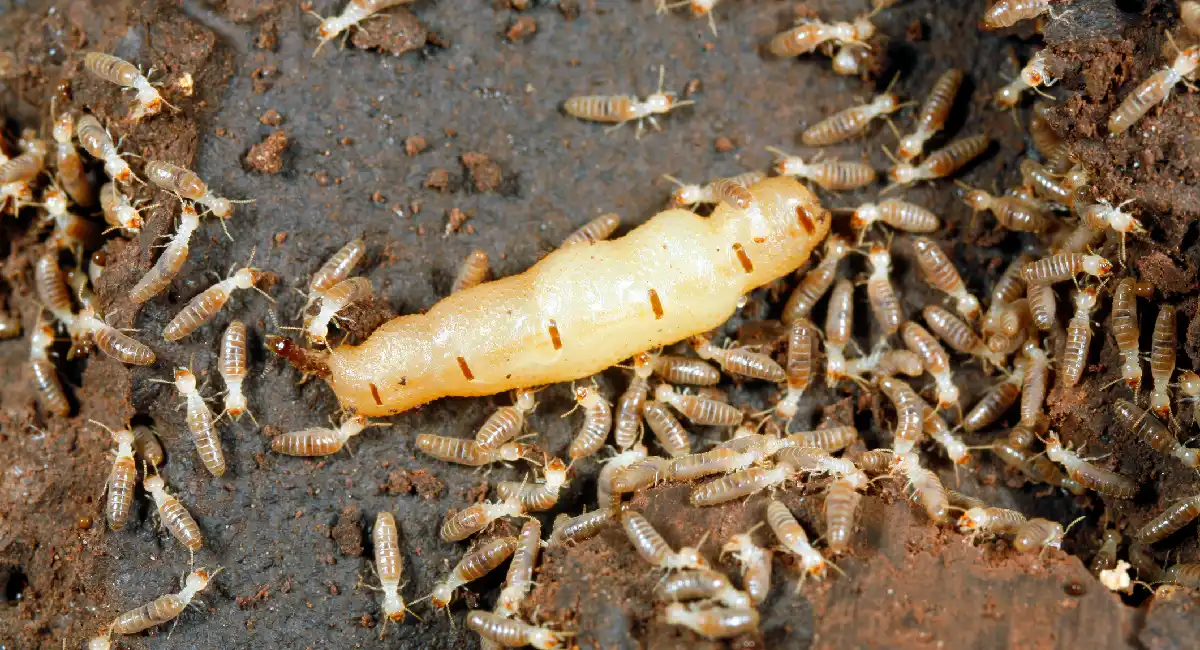
A practical route from the first suspicious mark to a better-informed treatment decision.
Keep the clues visible
Photograph mud-like trails, damaged timber or discarded wings and note the date. Avoid covering evidence with paint or disturbing every trace before inspection. Those clues help explain where attention is needed, even though they cannot show the full extent of concealed activity.
Look at the building conditions
Mention leaks, damp walls, recent renovation and any timber close to soil. Bring together old treatment records if you have them. A property assessment should consider these details alongside the visible damage and explain which areas could not be accessed.
Compare the proposed scope
Ask which parts of the building the recommendation covers, what method is being considered and why. Confirm access, drilling, preparation and occupant precautions before agreeing to work. Avoid choosing a plan purely because it names a particular chemical or promises a universal result.
Separate treatment from repairs
Treatment does not restore weakened wood. Where structural timber or flooring is affected, a suitable building professional may need to assess repairs. Coordinate this with the pest work so concealed areas are not closed before the necessary checks.
Plan the next check
Ask how further activity will be reported and reviewed, and what maintenance is recommended. Send Eagle Pest Control your city, property type and a description of the signs to start a focused enquiry.